By Michel Cousins
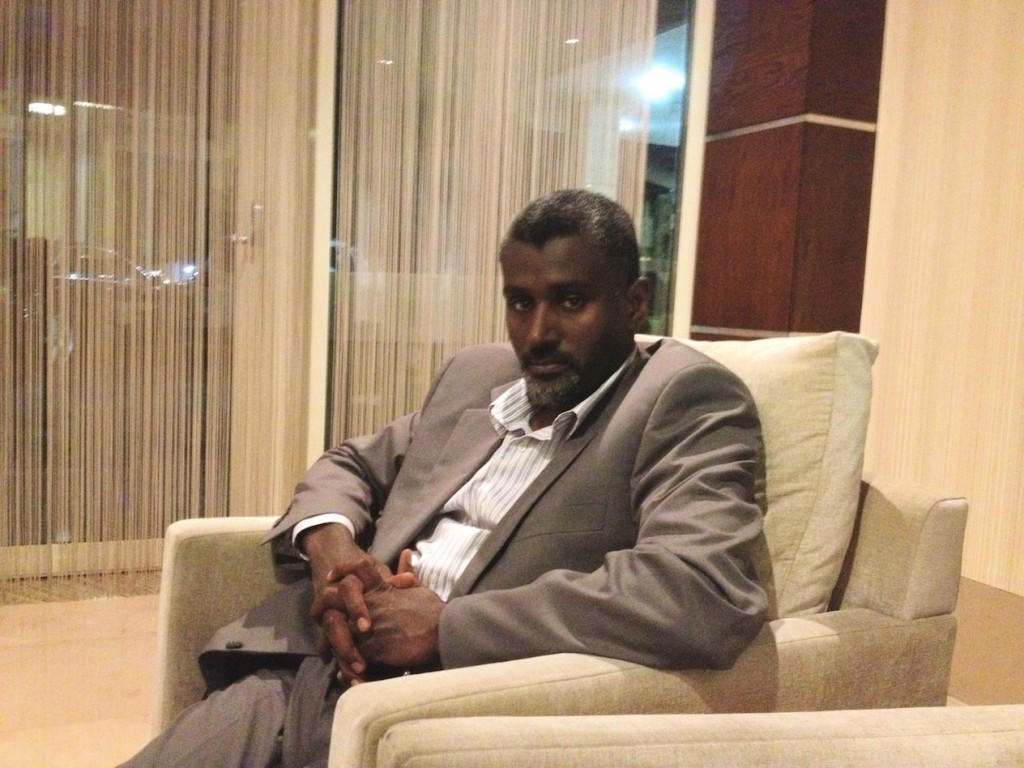
Tripoli, 27 November:
A delegation of some 36 Tebu representatives are in due in Tripoli today, Tuesday, to press the . . .[restrict]new government and the General National Congress on citizenship and civil rights issues for their people. The 36 are from Kufra, Sebha and Murzuk.
Both Kufra and Sebha saw major clashes earlier this year between Tebus and Arab residents in which several hundred people died.
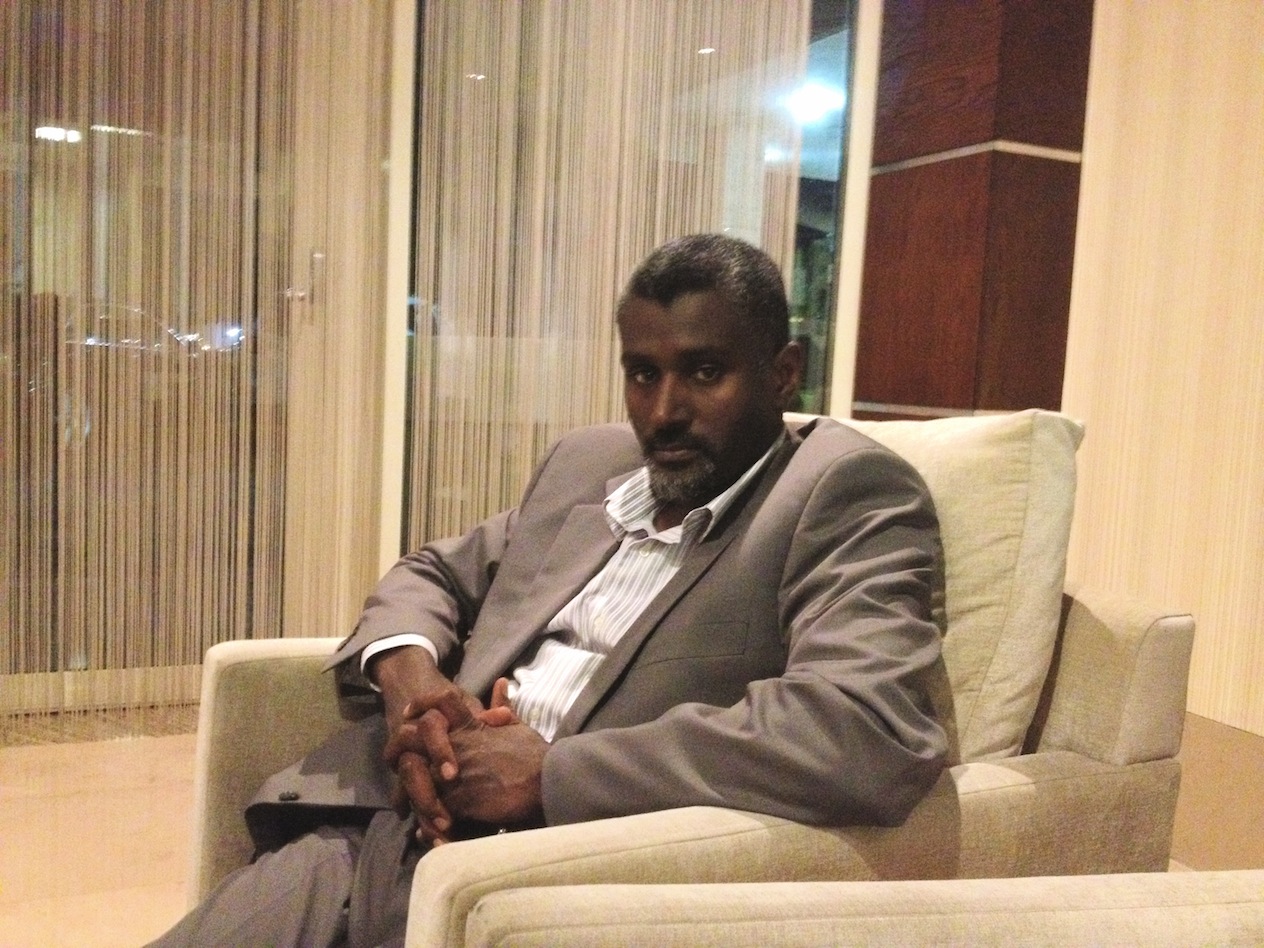
Leading the representatives in the planned talks with the authorities will be the Tebu military leader Essa Abdul Majid Mansour. He is already in the capital.
Speaking to the Libya Herald yesterday, Monday, Essa said that the present conflict between the Zway and the Tebus in Kufra remains unresolved. There is “an uneasy peace” in the town despite a ceasefire at the beginning of August. Over a hundred of his people had been killed there in the earlier clashes, he said.
Since the ceasefire, six more had been killed, the latest on Monday, he added. The newest victim was Musa Hurnji. According to Essa, who still leads the “Anti-Illegal Immigration and Border Control Brigade”, the 19-year-old went on Monday morning with his father, Adel, to the town council offices in the centre of Kufra to obtain some papers. An unidentified sniper shot at both of them, killing the son instantly and seriously wounding the father.
There is supposed to be a mechanism in place as part of the ceasefire whereby anyone who kills or attacks a member of the opposite community is supposed to be handed over to the army. At the end of September when a Tebu man was shot dead, the Zway said they would hand over the killer. “It’s never happened”, said Essa, referring to all the killings.
There is no indication, though, that the Tebus have ever handed over gunmen either.
“If the government does not go down [to the south] and settle issues, this will get worse,” he warned.
There is already smuggling of weapons to Al-Qaeda groups outside the country, Essa claims, as well as drugs being brought into Libya. “The government and the GNC must go and sort it out”, he said.
A main issue, he says, is the question of citizenship.
Large numbers of Tebus were stripped of the citizenship by Qaddafi in 2009 following a Tebu uprising the previous year, itself the result of persecution by the regime. There were forced evictions and demolition of Tebu homes. Because of it, the Tebu joined last year’s revolution from the very beginning.
Officials say that there are some 12,000-15,000 Libyan Tebus. However, Essa claims that there are at least 200,000 who are now stateless, having been stripped of their citizenship.
“The stability of Libya depends on the stability of the south and the stability of the south depends on the stability of the Tebu”, he stated.
The stability of the Tebu also affects Europe, he added, referring to the need to secure Libya’s southern borders to prevent sub-Saharan migrants using the country as a gateway across the Mediterranean to Europe.
“I’m ready to support the government solve these issues”, he added. “I hope we can start to rebuild Libya as a country.”
Essa denies that he warned earlier this year that Tebus would seek a separate state if their persecution did not end. This was put out by pro-Qaddafi elements to discredit him, he claims, because of his earlier stand against the regime.
What he did, he says, was ask the international community to put pressure on the Kib government to solve the problems of the Tebus.
Essa started the Tebu Salvation Front from exile in Norway in 2000, demanding that Tebus have access to medical and educational services and be allowed to serve in higher levels of the army and police. But, he adds, the Tebus were not unique in being oppressed. “Qaddafi punished all Libyans, not just Tebus.”
When the revolution started last year on 17 February, his brother, Juma Abdul Majid Mansour, set himself on fire in Kufra, copying Mohamed Bouazizi, the Tunisian who sparked the Arab Spring with his act of self-immolation on 17 December, 2010. He was transferred to hospital in Tripoli but, according to Essa, was murdered there days later.
Essa then returned to Libya the next month, on 27 March. He says that when he met the NTC in Benghazi at the time, he was asked to become the Council’s representative for Kufra. “I refused. I said that I’m here to fight Qaddafi and liberate Libya.”
He raised a group of Tebus in Benghazi who became attached to the 17 February Brigade. There were 18 of them. He says that on 6th April last year, they were sent to protect Agoco’s oilfields, based at Meslah. “On 12 June, Qaddafi forces attacked. We lost nine members”. He says that were it not for their action in protecting the oil fields, there would be no oil flowing today.
After the liberation of Libya was declared last October, he and his Tebu fighters were asked to control Libya’s south-eastern borders, based out of Kufra.
Although there had been issues between the Tebus and Zway “since 1974”, that is when the problem started to become serious, he says. Fighting between the two communities started on 29 November, he says, and it stemmed from smuggling. Some Zway, he claims, were involved in smuggling drugs into Libya and arms to Al-Qaeda groups outside the country and objected to the Tebus’ border controls.
[/restrict]