By Tom Westcott.
Tripoli, 12 February 2013:
The unstable security situation in the country is holding up one of the potentially most exciting . . .[restrict]discoveries in Libya’s pre-history, as archaeologists are being prevented from returning to their work.
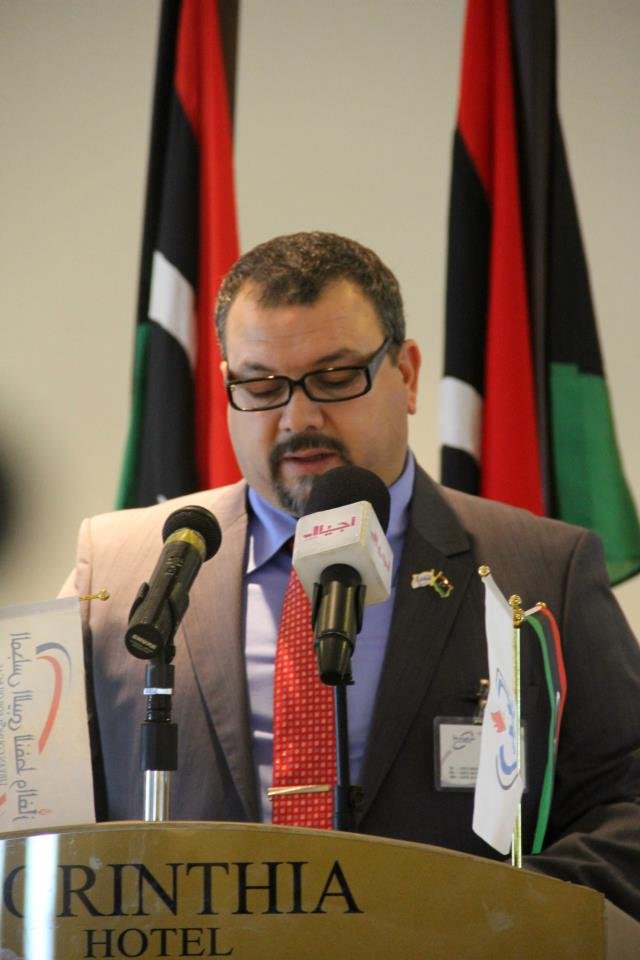
“We are on the verge of breaking new ground,” director of Canterbury Archaeological Trust Paul Bennett told the Libya Herald. “We have been using new dating techniques and specialist science at the Haua Fteah cave. If we can get to Libya over the next few months we may well discover that the cave is ‘the mother of early modern man’ and that Europeans are actually Libyan.”
However, the current security threats that have prompted European governments to issue warnings against all but essential travel to Libya, are having a knock-on affect on archaeological missions to the country.
“Most archaeological teams are university-based,” Bennett explained, “and the universities have to pay attention to the Foreign and Commonwealth Office (FCO) warnings.”
Bennett and his team are desperate to get back to work at Haua Fteah, the largest cave in the Mediterranean, on the coast between Benghazi and Derna. The British FCO currently advises against all travel to this region, although Bennet is optimistic that after the second year anniversary of the revolution, the situation may improve.
“We’re hopeful that by mid-March we’ll be able to go back,” he told the Libya Herald, “and we may be writing a new chapter in the history of Libya.”
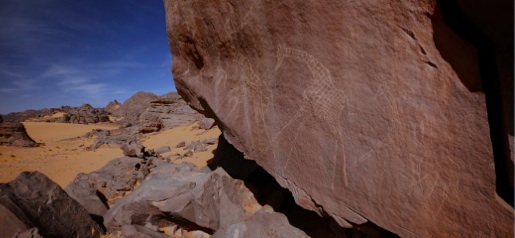
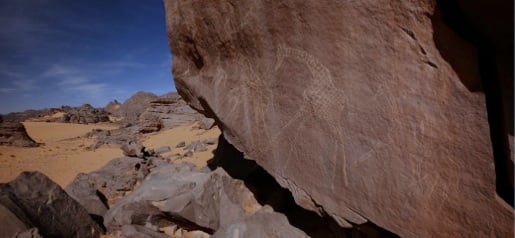
Another site where important archaeological work was suspended by the revolution is at Messak Settafet, one of the world’s richest areas of rock art. Situated in the south west of the country, deep in the Sahara, this is a further area to which the FCO advises against travel.
“We’re really keen to go back and resume field-work,” Savino di Lernia, from Sapienza University of Rome, told the Libya Herald, “But my university is worried. We need to get formal authorisation before we can go back to resume our work.”
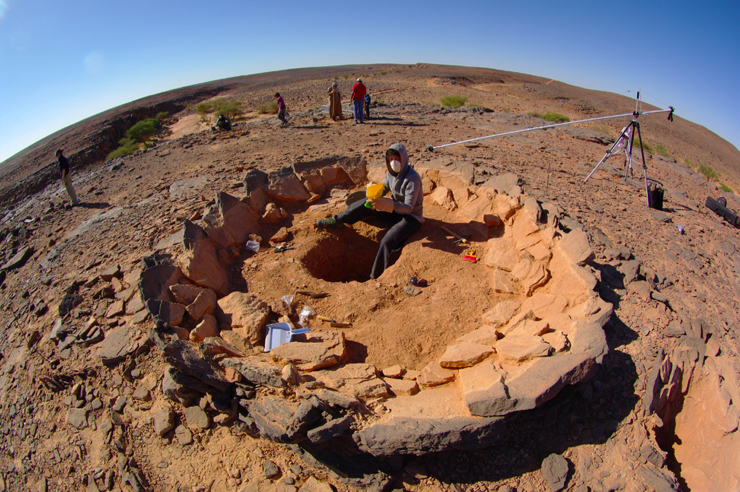
Di Lernia has been working on prehistoric Saharan cultures in Libya since 1990. He was in charge of the three-year Messak Project for Cultural and Natural Preservation and Sustainable Tourism, which was interrupted by the revolution. He has not been allowed to return to the site since being evacuated from Messak in 2011.
With much of the rest of the Sahara inaccessible, according to Di Lernia, “there is no better place on earth than the Libyan desert to reconstruct the cultural and historical processes of prehistoric man in the Sahara.”
For the last two years, he has been analysing previous finds and satellite imagery, but says the real work needs to be done on the ground. “Field work is vital to research,” di Lernia said, “and it is the best way to raise local and international awareness of pre-history.”
There is also concern about whether the rock art at Messak has sustained any damage. “The people I know down there say that it is fine,” di Lernia said, “but so far there has been no independent official mission to the area.” Without getting the official go-ahead, the teams cannot return to their work, which included plans to set up an open air museum to help manage and protect the ancient carvings and paintings.
Despite the remote location, in over twenty years of working there, di Lernia said he never felt at risk in the south west of the country. “In fact I feel at home there,” he said, “I keep coming back to Libya as much for the people as the heritage.” [/restrict]